
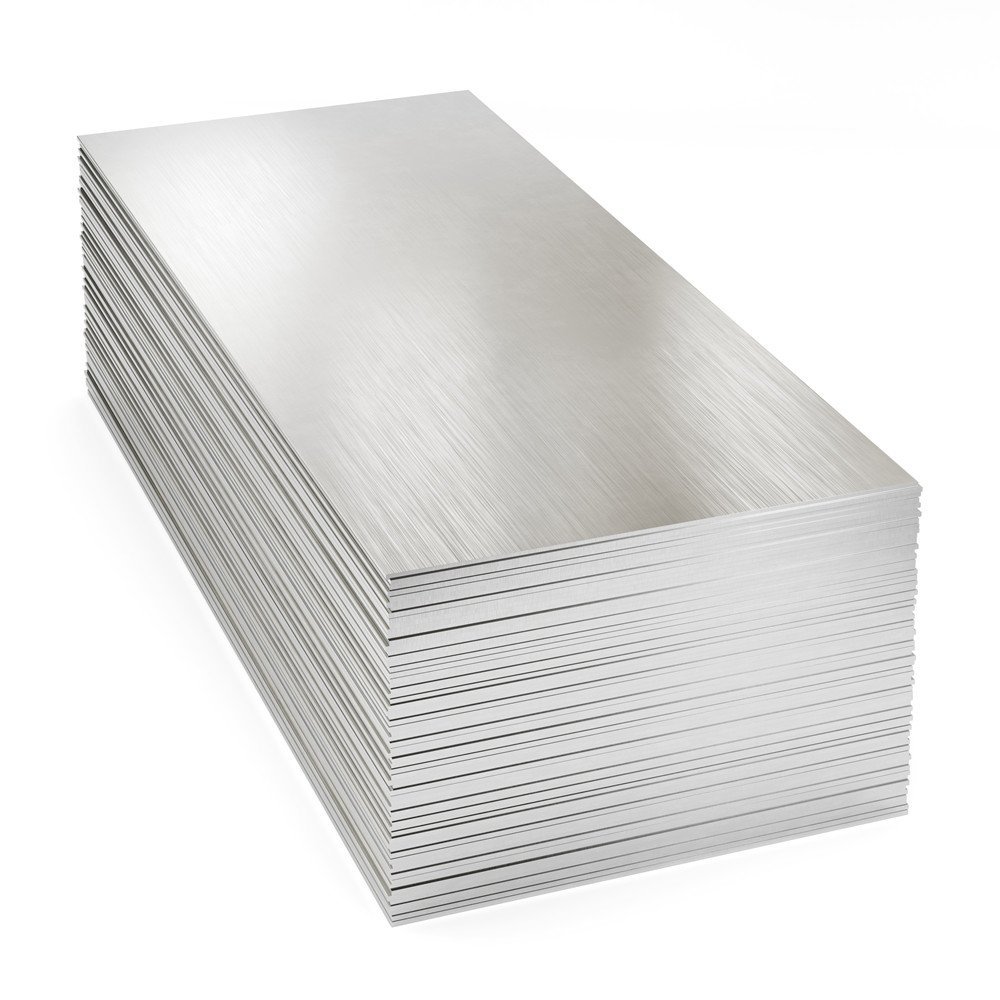
Embossed Aluminum Foil for PIR & PUR Insulation Panels
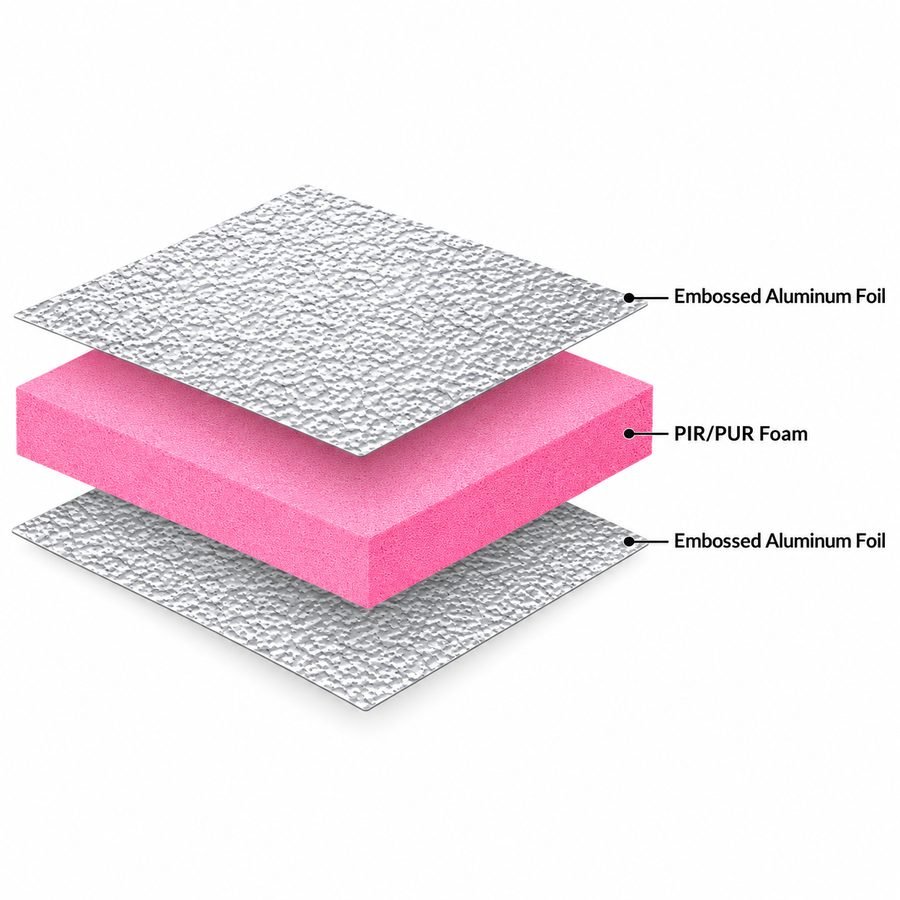
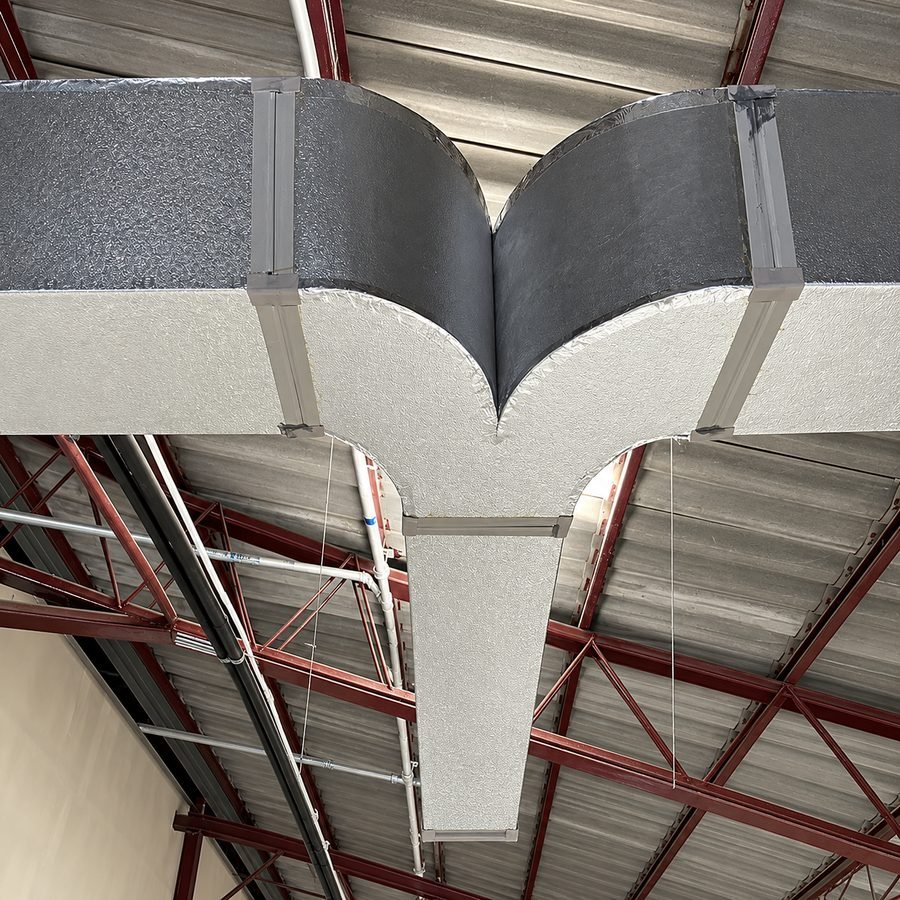
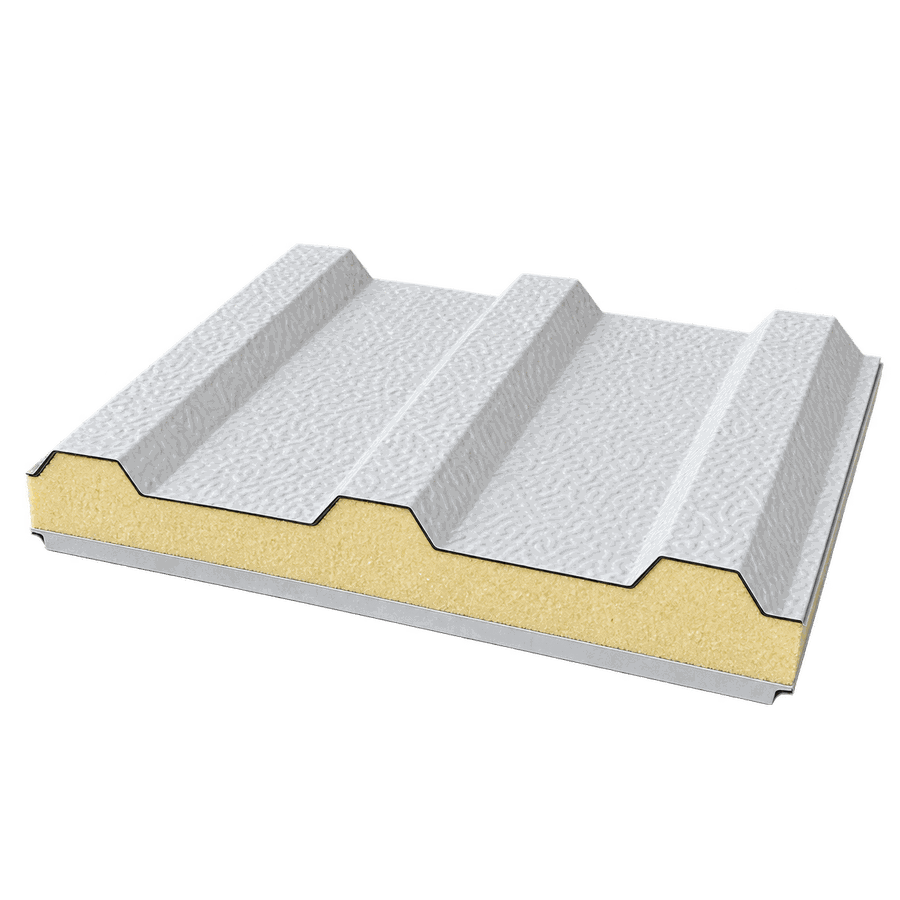
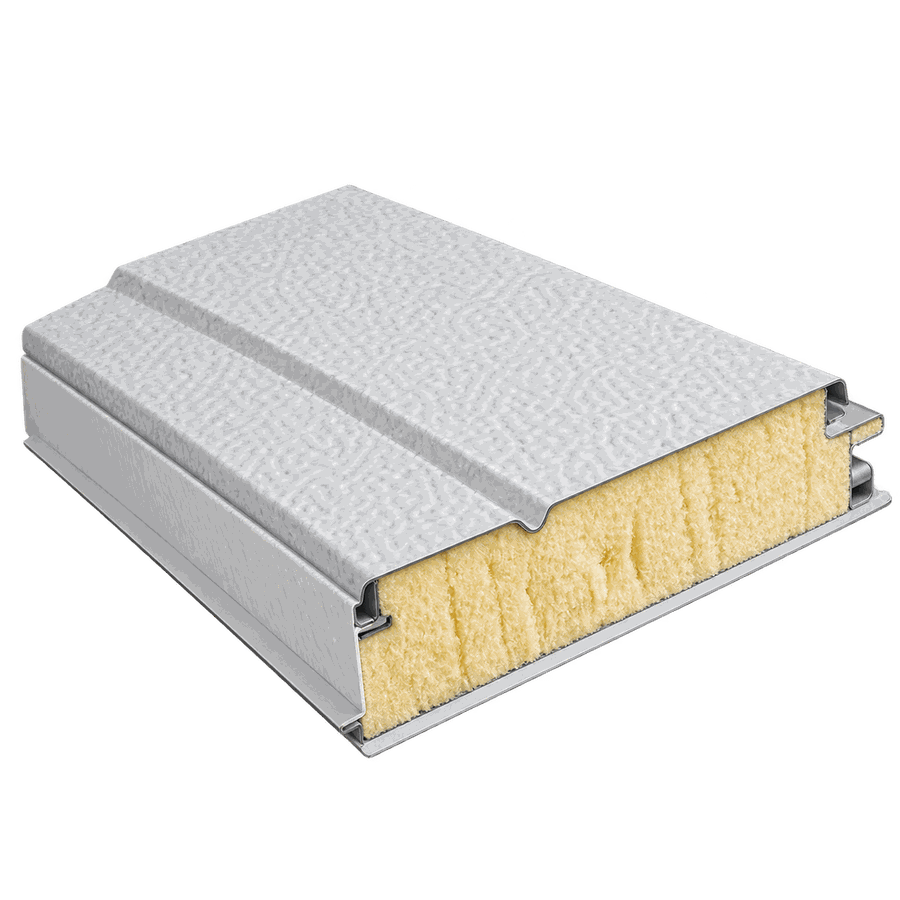
KONCEN supplies coated and embossed aluminium foil facings for PU/PIR insulation boards, sandwich panels and HVAC duct outer cladding. Ultra-thin gauge and a fully soft temper are what this product is built around — foil that forms, laminates and bonds cleanly on a fast panel line.
- Alloy 8011 / 8079 in soft O temper — easy forming and bending on the laminator
- Ultra-thin 0.035 – 0.040 mm gauge with a stable embossed surface
- RAL 9003 white top coating, gold or blue epoxy polyester back — or customized to your line
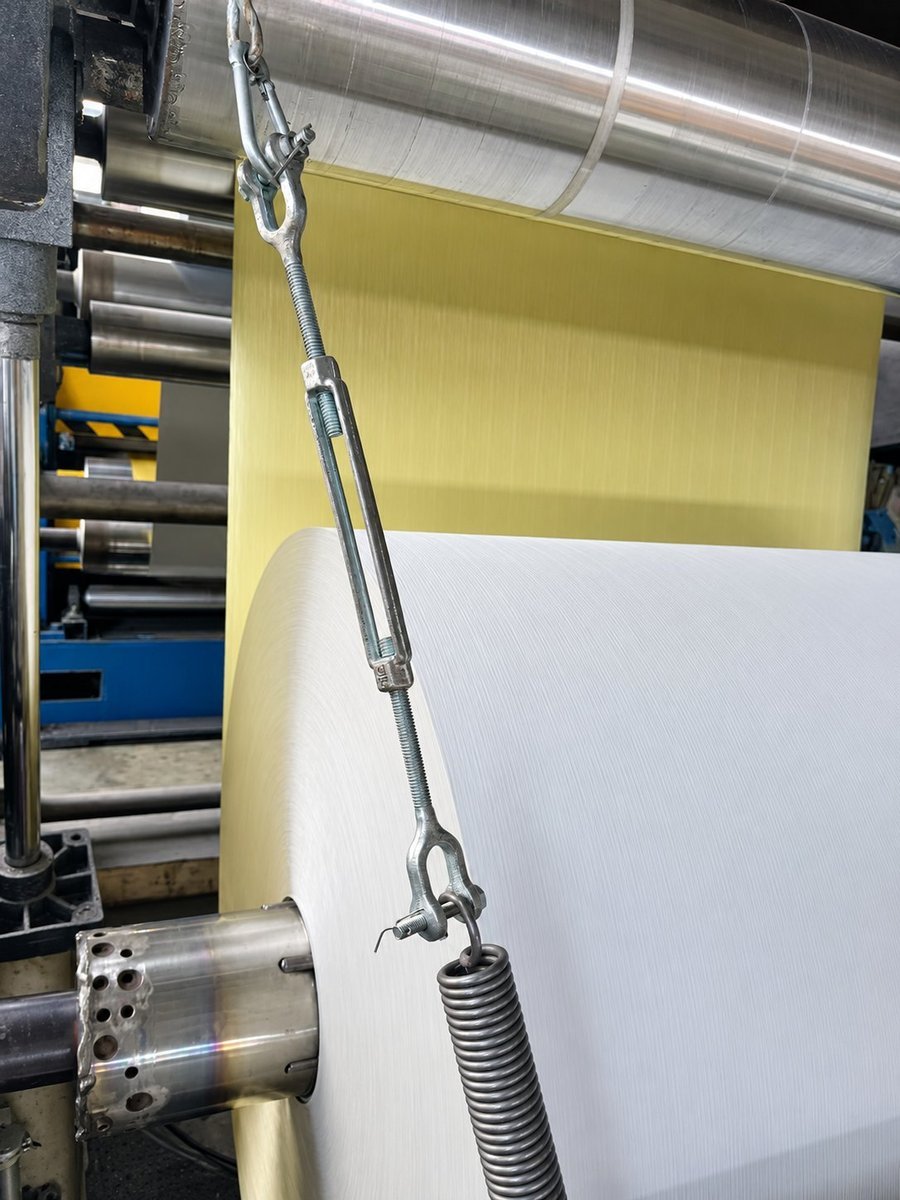
Why buyers choose this facing
This is a purpose-built facing foil, not a stock foil adapted to panels. Five properties do the work:
Soft O temper
The annealed temper forms and bends without cracking, so the foil follows the panel edge and duct corners cleanly on the line.
Embossed surface
The embossed texture improves lamination adhesion and gives the finished panel a consistent visual texture.
Stable coating
Top and back coatings are applied with even colouring across the coil, so consecutive panels look the same on the wall.
Lightweight gauge
At 0.035 – 0.040 mm the facing adds minimal weight and helps save material cost per square metre of panel.
Customizable coatings
Top coating and back coating can be adjusted to your adhesive, foam system and appearance requirement.
What we actually supply
The standard product on this page is a coated and embossed aluminium foil: 8011/8079 core in O temper, white RAL 9003 top face and a gold or blue epoxy polyester back. Bare foil and foil laminates are available on request — tell us what your line bonds and we will confirm what fits.
We do not manufacture the finished insulated panel, and we do not test whole panel systems. Material tests below describe the foil we ship; system tests belong to the panel producer and the foam supplier.
Specification range
| Product | Coated and embossed aluminium foil facing |
|---|---|
| Alloy | 8011 / 8079 |
| Temper | O |
| Thickness | 0.035 – 0.040 mm |
| Width | ≤ 1100 mm, slit to your laminator width |
| Top coating | RAL 9003 white, or customized colour and system |
| Bottom coating | Gold or blue epoxy polyester |
| Typical uses | PU/PIR insulation boards, sandwich panels, HVAC duct outer cladding |
| Packing | Export wooden pallet or case, moisture barrier, edge protection |
Other gauges, alloys and coating systems are quoted against the application. Available for customized coating, embossing and processing support.
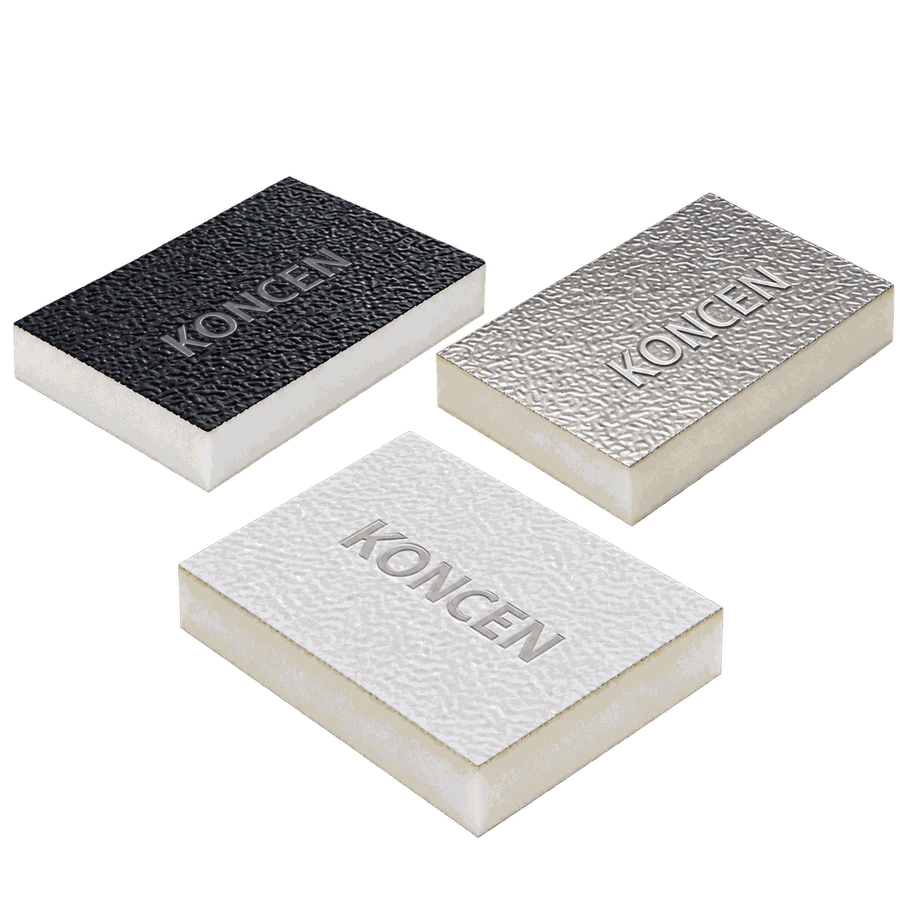
Thin and soft: what it means on your line
Ultra-thin, soft foil behaves differently from a heavier H14 sheet, and the difference is where our product earns its keep:
- Forming and bending. O temper foil takes the panel edge and the duct corner without spring-back or hairline cracks, so waste at the profiling station stays low.
- Bonding during lamination. The soft, embossed surface conforms to the foam under pressure, giving the adhesive an even key across the whole panel face.
- Material cost. At 0.035 – 0.040 mm you buy the facing function, not extra metal. The lightweight facing keeps the finished panel cost-competitive.
- Handling care. Thin O foil asks something back: unwind tension has to be set for the gauge, and splice plans agreed in advance. Tell us the line speed and unwind setup and the coil is specified to match.
Matching the facing to your production line
Four checks decide whether a trial roll becomes a repeat order:
- Primer versus foam chemistry. The back coating has to bond to your specific PIR or PUR system. Send the foam supplier’s data sheet and we will quote a coating system for trial — we will not claim compatibility with every system.
- Unwinding and tension. Ultra-thin facing foil stretches and wrinkles under high tension. Tell us the line speed and the unwind setup so coil temper and splice plan suit it.
- Camber and tracking. Width tolerance and edge quality matter more than a centre-line number on a fast laminator. Slitting quality is part of the quote.
- Splice detection. If your line stops on a splice, the splice needs a detectable marker; if it runs through, the joint needs to survive the oven. These are different specifications.
Quality records and testing boundary
Each shipment can be accompanied by the documents your incoming inspection actually uses:
- Mill test certificate for alloy, temper and mechanical properties
- Dimensional record: thickness, width, coil weight, core
- Coating record: coating type, nominal weight or film thickness, colour reference
- Retained sample from the production lot, kept for reference against future orders
- Peel or bond test data where the trial protocol defines the substrate, adhesive and conditions
Bond strength measured on a foil sample is not a panel system result. Final acceptance normally sits with the panel producer’s own laminate test, and we quote material against the values you specify.
What we need before quoting
| Material | Alloy and temper, or the performance you need and we propose |
|---|---|
| Dimensions | Thickness, roll width, core inner diameter, coil weight |
| Surface | Embossing pattern, top-coat colour and system, back-coating requirement |
| Process | Foam system, laminator type, line speed, splice requirement |
| Commercial | Quantity per size, trial quantity, destination port, required documents |
Frequently asked questions
Can you supply a trial roll before a full order?
Yes. Trials are usually one narrow coil or a short run at production width, so the line conditions stay realistic. Tell us the trial length the laminator needs and we will quote it as a separate line item.
Do you sell finished PIR or PUR panels?
No. We supply the aluminium facing material that panel producers laminate to foam. If you need finished panels, we are the wrong supplier and we would rather say so early.
Why is the temper O instead of a harder temper?
Soft O temper is what lets the foil bend around panel edges and duct corners without cracking, and it conforms to the foam during lamination. Harder tempers are available for other uses, but for facing this line a soft coil is the right tool.
Can the top coating be a different colour or system?
Yes. RAL 9003 white is the standard top coat; colour and coating system can be customized to your appearance and processing requirements. The back is gold or blue epoxy polyester as standard, also adjustable.
Can the foil be printed with our brand?
Printing is possible on coated surfaces when the ink system and the top coat are matched. Send the artwork and the ink type, and we will confirm feasibility on the coating you have chosen.
How is thickness verified on an embossed foil?
By agreement on the measuring basis. Either the base metal gauge is measured before embossing, or the total profile is measured with a defined foot pressure and area. Both are legitimate; mixing them causes disputes at goods-in.
What is the minimum order?
From 1 MT for standard specifications, depending on width, coating and pattern. Trial quantities below that are quoted individually.
Related materials
- Embossed coated aluminium coil
- Aluminium foil
- Colour coated aluminium coil
- Roof waterproofing membranes
Send the facing specification you are running today
The fastest quote comes from your current material data sheet or a photo of the roll label. If the specification is still open, describe the panel and the line and we will propose a starting point.
- Alloy, temper and thickness
- Roll width and core diameter
- Top and back coating requirement
- Foam system and laminator type
- Trial or production quantity
- Destination port
Page reviewed October 2026. Specifications are typical ranges for discussion and are confirmed on the order confirmation. No certification, approval or performance claim is implied beyond the documents issued for a specific lot.