
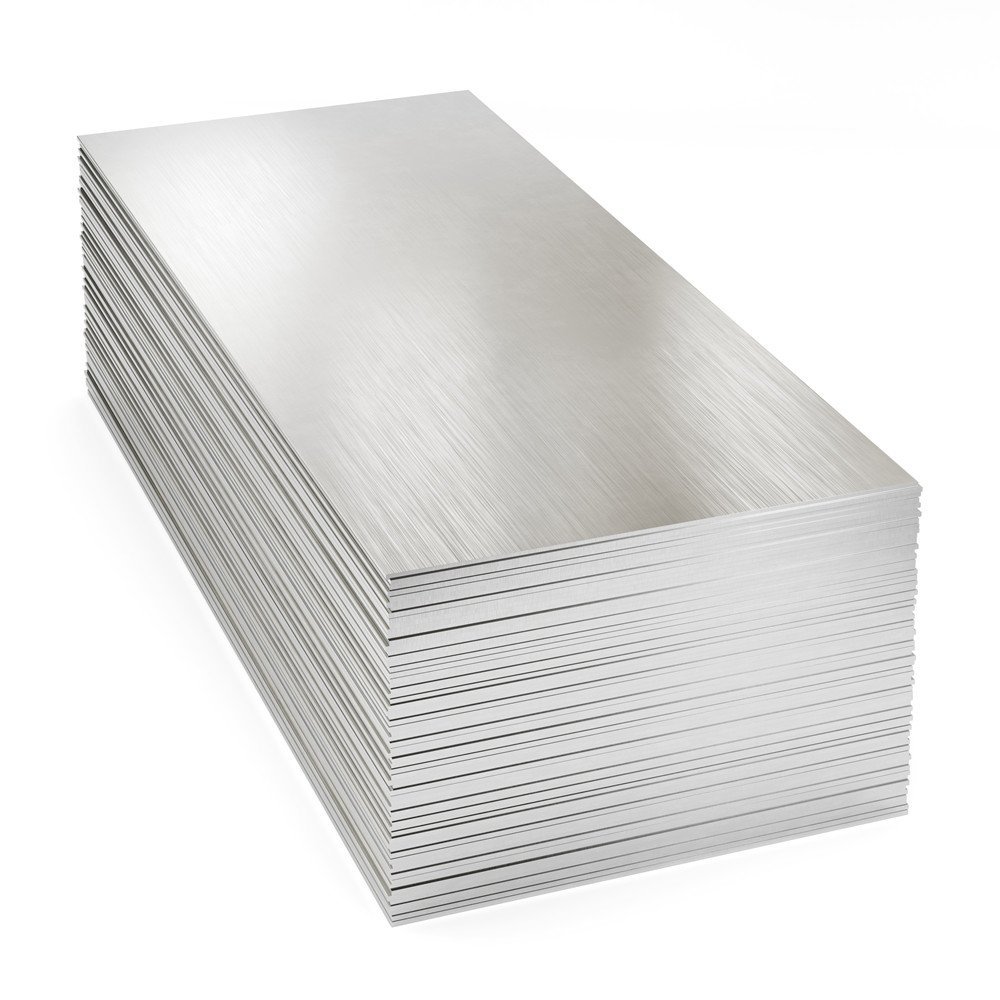
Mirror Aluminum Coil & Sheet for Lighting Reflectors
KONCEN supplies mirror-finish aluminium coil and sheet — polished bright aluminium for luminaire reflectors, lamp covers, LED light cavities and plant lighting fixtures. Surface quality and formability come first, and the reflectance figure is always quoted together with the method used to measure it.
- Mirror aluminium coil and sheet from 0.20 mm to 3.00 mm, width up to 1600 mm
- Grades for lamp covers, LED reflectors, grow-light cavities and solar applications
- Protective film selected for bending, stamping or spinning — not one film for every process
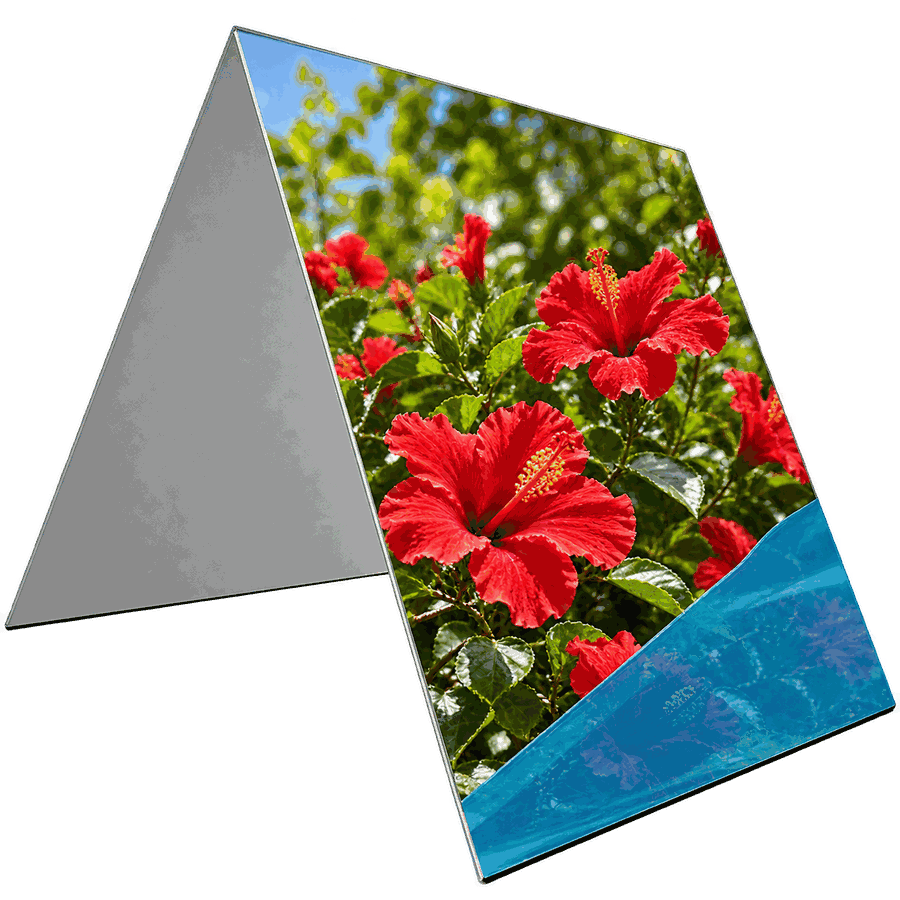
Decorative mirror or optical reflector
The phrase “mirror aluminium” covers two different products, and the difference matters when a lighting specification is being written.
| Decorative mirror finish | Reflector-grade material | |
|---|---|---|
| Primary requirement | Uniform, bright appearance with no visible defects | Controlled reflectance and consistent surface over the whole lot |
| Typical use | Decorative trims, housings, visible panels | Reflector bodies, light guides, optical cavities |
| How it is specified | Surface quality, gloss, colour neutrality, film protection | Reflectance value, measurement geometry and method, plus surface quality |
| What we need from you | Appearance reference and forming process | Target reflectance, wavelength range, test standard and sample approval route |
Grades and where the material goes
Mirror aluminium for lighting is chosen by alloy purity, surface treatment and temper — together. High-purity alloys such as 1050 and 1070 give the best reflectivity; 1060 and 1085 sit close behind with better mechanical behaviour; 1100 and 3003 are selected where forming and corrosion resistance matter more than the last few percent of light. Finishes range from bright-rolled and polished mirror to anodised or colour-coated surfaces.
Typical lighting and reflective applications we supply into:
- Luminaire reflectors and lamp covers — stamped or spun reflector bodies for LED and conventional fixtures
- LED light cavities and light guides — where consistent specular reflection across the whole lot matters
- Plant and grow lighting — reflector sheets for horticultural luminaires
- Solar applications — reflective components for solar thermal collectors and solar lighting
- Automotive lamp reflectors — formed reflector parts specified against the vehicle lighting standard
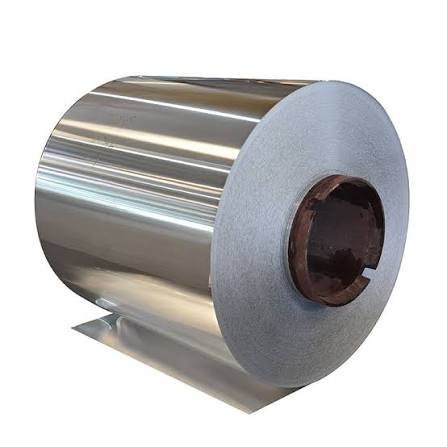
Specification range
| Common alloy | 1050, 1060, 1070, 1085, 1100, 3003 |
|---|---|
| Temper | H14, H16, H18, H24 or as agreed for the forming operation |
| Thickness | 0.20 – 3.00 mm |
| Width | 100 – 1600 mm; slit coil and cut sheets available |
| Surface | Mirror finish, polished, anodised or colour coated on request |
| Reflectance | Standard mirror grades typically quoted around 86% total reflectance; higher-reflectivity grades available — quoted as measured, with the test method stated |
| Protection | PE protective film, film grade selected for the process |
| Packing | Export wooden pallet or case, moisture protection, edge protection |
Forming without ruining the surface
Most rejections in this application are surface defects introduced after delivery, not defects in the coil. The material and the film have to be chosen together:
- Bending. Tight radii on hard tempers can craze the surface at the outside of the bend. If your design has a small radius, tell us and we will propose a temper that survives it.
- Stamping and deep drawing. Film grade and adhesion matter more than film thickness. A film that releases during drawing leaves adhesive residue that is difficult to remove without marking the mirror face.
- Spinning. Local heating softens the film and can leave marks. Confirm the temperature the film will see before the coil is slit.
- Cutting and deburring. Cutting with the film in place protects the face but can trap swarf under the film edge. Agree the de-filming point in your process.
Handling and inspection
Mirror surfaces show everything. Practical controls that make a difference on the line:
- Keep the coil wrapped until the material reaches the machine; humidity between packing and use can cloud the surface.
- Handle sheets by the edges, with clean gloves. Fingerprints on a bright finish are not always removable without polishing.
- Inspect under the same lighting the finished part will be judged in. A surface that passes under diffuse light may show streaks under a directional source.
- Agree an inspection sample at first article, so both sides are judging the same surface.
Verification and documents
- Mill test certificate for alloy, temper and mechanical properties
- Dimensional record: thickness, width, length or coil weight
- Surface inspection record against the agreed appearance limit
- Reflectance test data where a method and geometry have been agreed — quoted as measured, not as a catalogue maximum
- Retained sample per lot
We do not certify a luminaire’s optical performance. That belongs to the luminaire manufacturer’s own photometric testing.
Frequently asked questions
What reflectance can you guarantee?
We quote a measured value for the delivered lot against a named method and geometry, after the sample is approved. Standard mirror grades typically measure around 86% total reflectance; higher-reflectivity grades can be quoted on request. A guarantee without a test method would not be meaningful, so we ask which standard your specification references.
Which alloy should we choose for a reflector?
High-purity alloys such as 1050 and 1070 give the highest reflectivity; 1060 and 1085 offer a practical balance of brightness and strength; 3003 suits parts that need more forming and corrosion resistance. Send the part and the forming route and we will propose the grade.
Can you supply anodised mirror aluminium?
Anodised and coated options can be quoted. Anodising changes the surface behaviour and the forming limits, so tell us the process sequence before the finish is fixed.
Which film should we use?
It depends on the process. Bending usually needs a thin, high-elongation film; drawing needs stronger adhesion; spinning needs heat resistance. Sending the process route is more useful than choosing a film from a list.
Do you supply small quantities for prototypes?
Yes, cut sheets for prototype and first-article work are quoted separately from production coils.
Can you supply sheet instead of coil?
Yes. Both coil and cut-to-size sheet are available, with sheet dimensions and flatness tolerance agreed at quotation.
Related materials
- Mirror aluminium coil
- Aluminium sheet and plate
- Signage and decorative surfaces
- PIR & PUR insulation panels
Send the part, not just the material grade
A drawing or a photo of the formed reflector tells us more than an alloy name. Include the forming operation and the surface the customer will see.
- Thickness and temper
- Sheet size or coil width
- Forming process and bend radius
- Reflectance requirement and test method
- Film type and de-filming point
- Prototype or production quantity
Page reviewed October 2026. Reflectance values are quoted per agreed test method; no optical performance of a finished luminaire is implied.